
How to Plan Your Brand Photoshoot
A step-by-step guide + real inspo for the one-woman business ready to show up confidently online.
If your website or Instagram feed is relying on strategically-cropped family photos, old headshots, or random iPhone images, you may be unintentionally devaluing your work.
Essentially, your brand is constantly teaching people how to value your business, and your photos are a big part of that first impression.
That’s why I see a brand photoshoot as a business investment, not a vanity project. The right images can help you build trust faster, market your business consistently, and show up with more confidence online.
After planning multiple photoshoots for my own business and helping dozens of clients prepare for theirs, here’s my step-by-step guide to planning a shoot that actually supports your brand.
Throughout this post, you'll find a few of my favorite client photoshoot examples to help spark ideas for your own session!
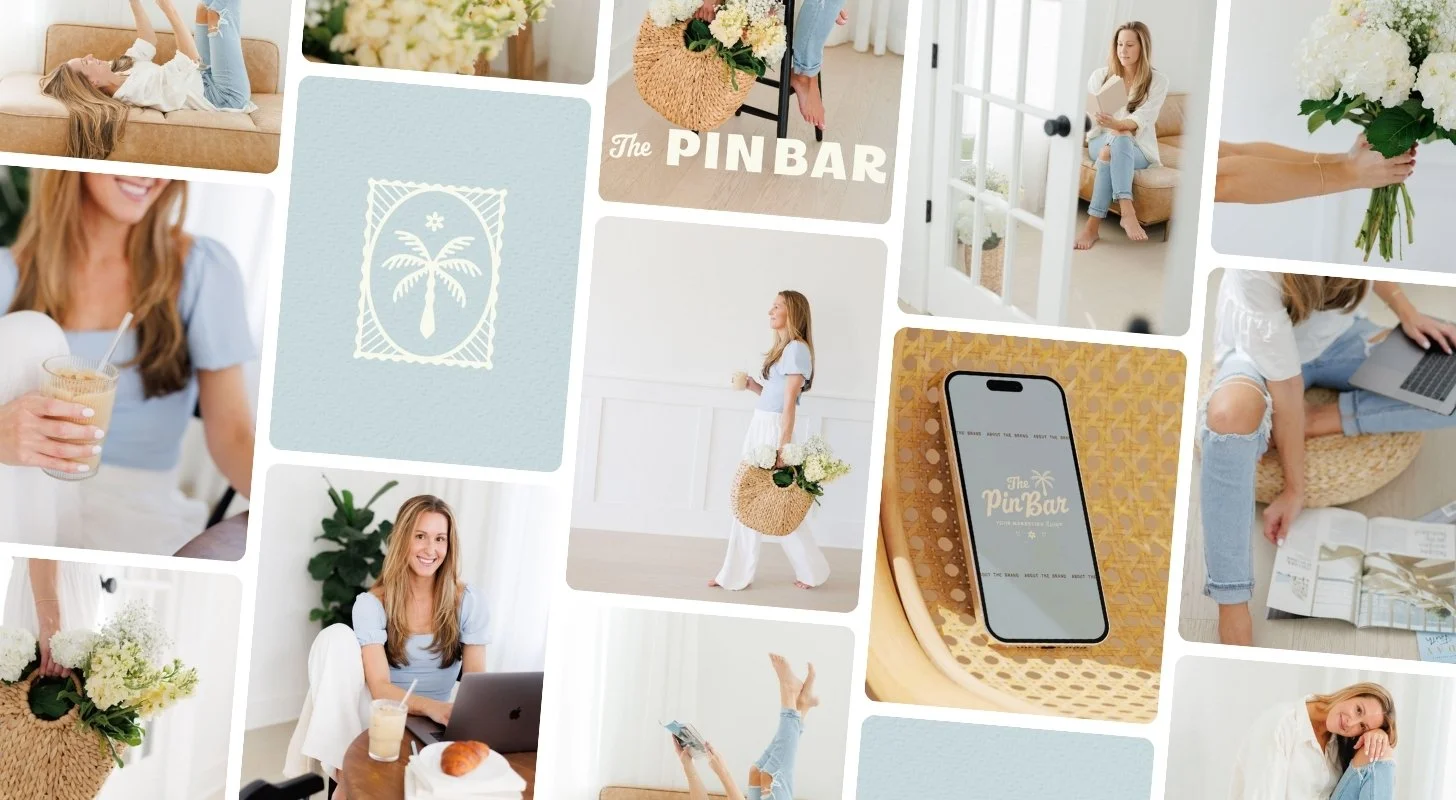
Step 1: Start with Your Brand
Before you start pinning outfits or booking a photographer, take a step back and think about the bigger picture: your brand.
Ask Yourself:
Who are you trying to attract? (Your People) Do you want them to see you as polished and high-end, or approachable and down-to-earth?
What transformation do you provide? (Your Promise) How can you communicate that transformation through your location, props, activities, or poses? (We’ll dive deeper into this in Step 3.)
How do you want your brand to feel? (Your Personality)Is it feminine, coastal, playful, inviting, sophisticated, creative or something else? These traits will help guide everything from your wardrobe to your location selection.
Where will these photos be used? (Your Presence) Your website may need wide-angle banner images. While a blog or Substack might call for simple, editorial-style imagery.
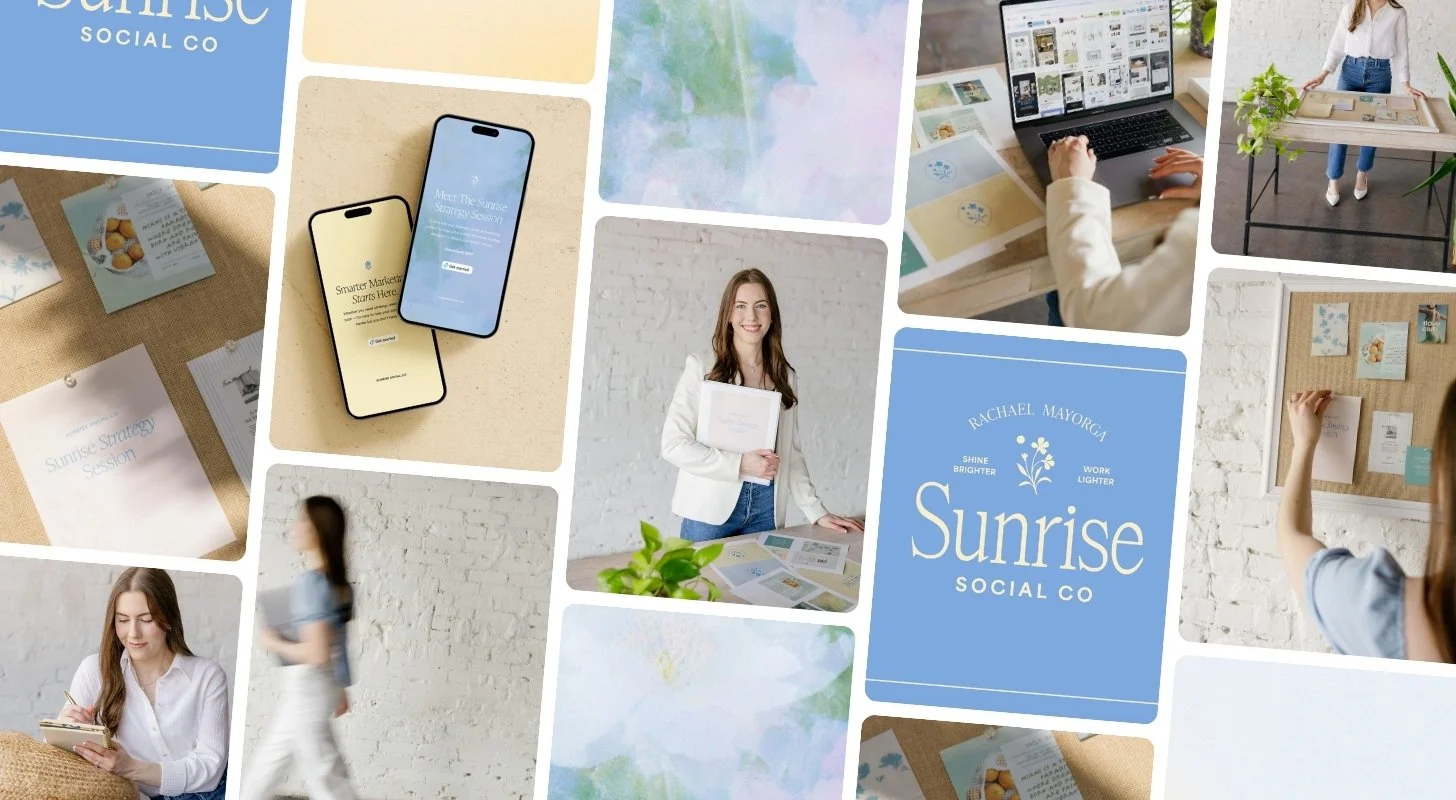
Step 2: Choose Your Photographer and Location
Next, find a photographer you trust. Review their portfolio to make sure their style aligns with your brand and that they have experience working with businesses, not just families or weddings.
Once you’ve found a good fit, coordinate a date and location with your photographer. Revisit your brand personality and look for a space that reflects those qualities.
For example, a creative copywriter might choose a cozy bookstore. A nutritionist may feel right at home in a bright, inviting kitchen. A PR consultant might gravitate toward a boutique hotel lobby or stylish café.
In general, I’d encourage you to look for spaces that feel warm, lived-in, and human rather than overly white, minimal, or sterile. Websites like Peerspace are a great place to start, and your photographer may also have favorite locations to recommend.
Additionally, look for:
Plenty of natural light
Warm, inviting textures (think velvet sofas, wood accents, woven materials, and rugs)
Colorful walls or backdrops for visual variety
Multiple rooms or settings to create different scenes throughout the shoot

Step 3: Plan Your Outfits and Props
Once you’ve booked your photographer and location, it’s time to think about the details that will bring your brand to life: your outfits and props.
These elements help tell the story of your business and give your audience a glimpse into what it’s like to work with you.
Outfits
I typically recommend planning 2–4 outfits to create variety throughout your gallery.
If your business is more professional in nature, such as consulting, coaching, or financial services, consider including one or two polished looks like a blazer, structured blouse, or tailored dress.
If your work is more creative, hands-on, or content-driven, lean into outfits that reflect your personality and day-to-day work. Think relaxed denim, elevated basics, aprons, artist smocks, or pieces that feel naturally “you.”
If you’d like to refresh your wardrobe without purchasing new pieces, rental services like Nuuly or FashionPass are also great options.
Props
Aim to bring 5–15 items that help tell the story of your work. Start with the tools you use every day, then layer in a few aesthetic elements that support your brand personality.
For example, a nutritionist might bring fresh ingredients and cookbooks. A designer might bring sketches, notebooks, and a laptop. A content creator could incorporate client products, packaging, or filming equipment.
Some ideas to get started:
Laptop, tablet, phone, or Apple Pencil
Notebooks, planners, sticky notes, or pens
Books or coffee table books
Client products or brands
Whiteboards, mood boards, or sketches
Coffee, matcha, sparkling water, or champagne
Fresh ingredients, recipes, or kitchen tools
Plants, flowers, or botanical elements
Decorative objects like vases, frames, textiles, or candles
🎨 A quick note on color: you don’t need to match your brand colors perfectly. Instead, look for clothing and props that complement your palette. Similar shades, neutrals, and accent colors are usually enough to create a cohesive feel.
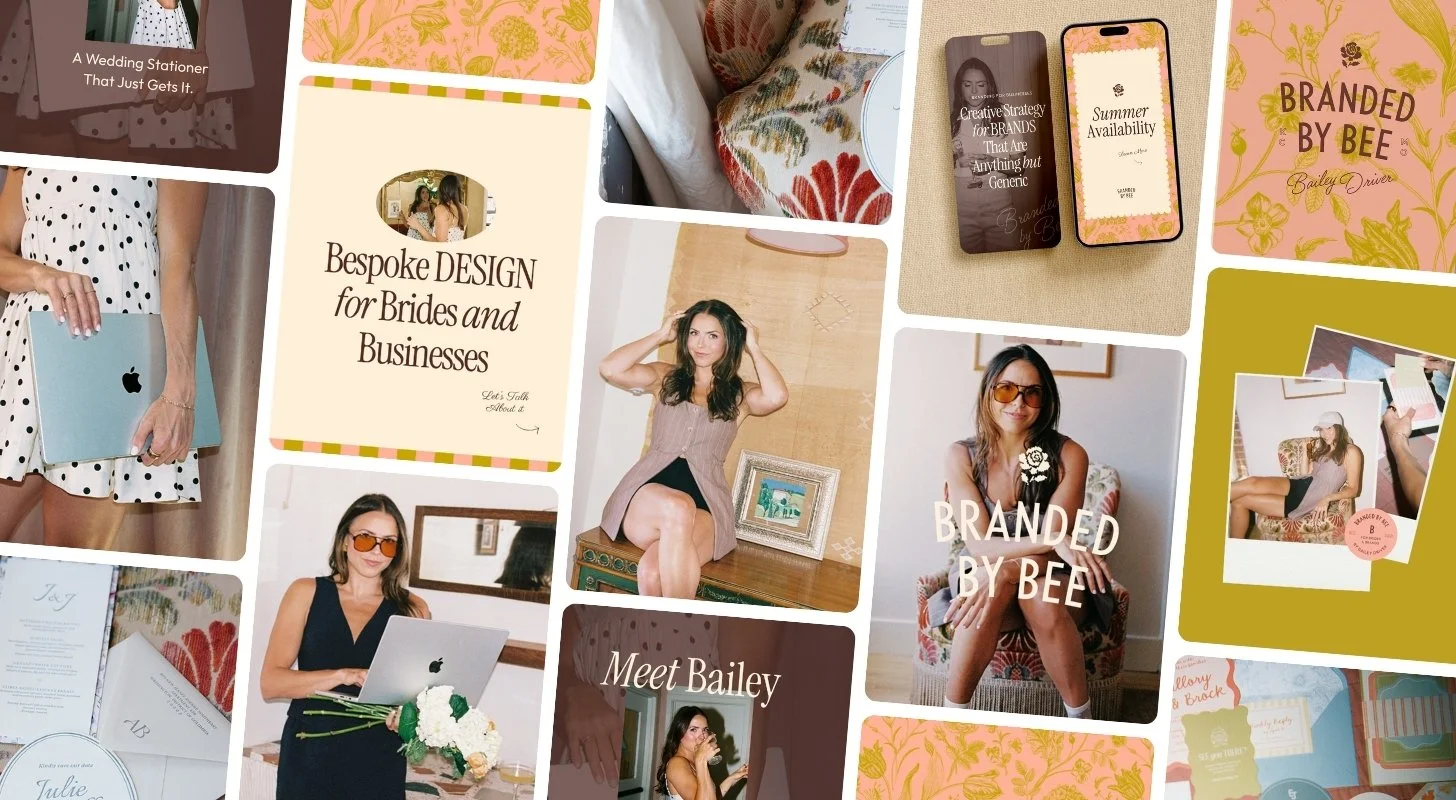
Step 5: Plan Your Shot List
The final step in planning your brand photoshoot is creating a shot list.
Be sure to communicate to your photographer that you’d like a mix of headshots, candid lifestyle photos, detail shots, flat lays, and wide-angle images. The more variety you capture, the longer your gallery will serve you.
You may also want to ask about capturing a few short video clips or b-roll footage.
To organize your ideas, consider creating a Pinterest board or Google document that outlines the types of images you’d like to capture.
Here’s a simple checklist to get you started:
Headshots
Candid or looking directly at the camera
Close-up and full-body options
Candid & Lifestyle Photos
Walking, Laughing, Sitting casually
Looking away from the camera
Working with a client
Writing or journaling
Recording content
Taking a call, Planning projects
Detail “Stock” Photos
Hands typing or writing in a notebook
Workspace details
Coffee cup or desk accessories
Branded materials
Technology and office supplies
Books and notebooks
Products or packaging
Styled collections of props

P.S. When your branding, photos, and website are all working together, showing up online starts to feel a lot less complicated.
If you’re planning a rebrand or wondering whether your current brand is helping or hurting your growth, book your Growth Plan with me.
Together, we’ll create a custom plan for your brand and business that you can actually use and implement. You can learn more and get started here.